Remote Temperature Monitoring for Refrigeration Equipment
Remote refrigeration monitoring helps teams track storage temperatures remotely across refrigerators, freezers and cold rooms. Wireless sensors send measurements through a compatible data collector to monitoring software, where staff can review temperature history and configure available alerts.
The setup should match the equipment, required temperature range and operating procedures. Monitoring provides information to support a response; it does not itself adjust refrigeration settings or prevent equipment failure.
Supermarkets and Grocery Stores
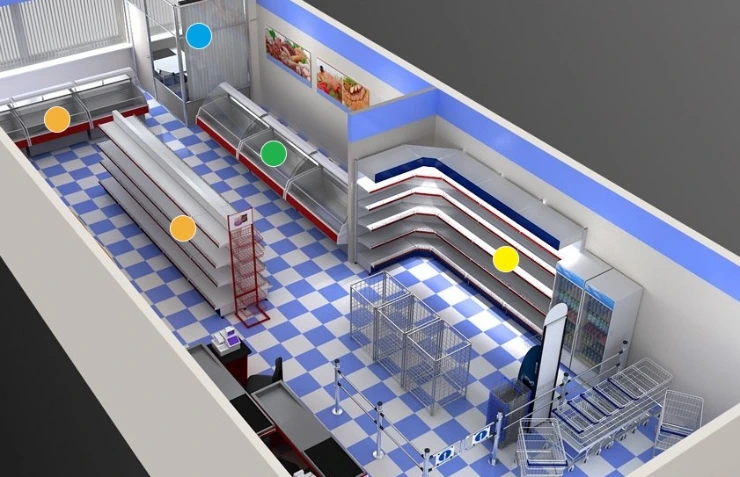
Monitor temperatures in display refrigerators, freezer cabinets and cold rooms. Review readings over time and investigate deviations alongside events such as door opening, defrost cycles or equipment servicing.
Restaurants and Commercial Kitchens
Track temperatures across food storage refrigerators, freezers and walk-in cold rooms. Historical records can support routine checks and help staff investigate conditions outside the limits defined in their food safety procedures.
Cold Storage and Distribution Facilities
Monitor selected points across refrigerated storage areas. Choose sensor positions based on the layout, airflow and temperature mapping results where available.
Pharmacies and Laboratories
Select sensors, probes and calibration documentation appropriate to the products being stored and the site's procedures. Required storage temperatures and monitoring arrangements must be defined for each application.
How the Monitoring System Works
1. Temperature Sensors or Probes
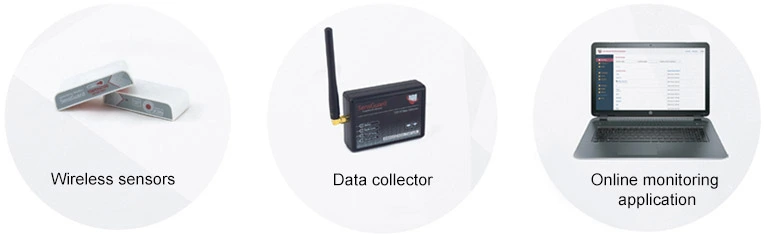
Install compatible sensors or probes at the selected monitoring points inside the refrigeration equipment. Choose each device for its measurement range, accuracy, environmental rating and installation requirements.
Battery life and measurement intervals depend on the model, settings and operating conditions.
2. Compatible Data Collector
The data collector receives measurements from compatible wireless sensors and transfers them to the monitoring platform. Check radio coverage through insulated panels, walls and stocked storage areas before finalising the installation.
The number of supported sensors, power supply and network connection depend on the selected collector.
Choose Your Temperature Monitoring Equipment
For a complete setup, explore our temperature and humidity monitoring systems. Then compare temperature and humidity sensors by measurement range, accuracy and whether a separate probe is needed.
Ask for advice on your monitoring points, including operating temperatures, the number of monitoring points and required alerts.
3. Monitoring Software and Notifications
Use the selected reporting platform to review measurements and temperature history. Confirm the available notification channels, reporting functions and access arrangements for your configuration before ordering.
Setting Temperature Alerts
Define temperature limits according to the products being stored and your operating procedures. Configure any available alert delays and escalation settings so staff know when and how to respond.
Door openings and defrost cycles can cause temporary changes in air temperature. Account for these events when configuring alerts, without masking deviations that require action.
Confirm the measurement interval, data transmission interval and notification process. An alert should not be assumed to arrive immediately after a temperature change.
Temperature Records and Internal Checks
Historical temperature records can support internal checks, incident investigations and audit preparation. Confirm the available export formats and data retention arrangements for the selected software.
Monitoring equipment and reports alone do not establish HACCP or other regulatory compliance. They should form part of the site's documented procedures, calibration arrangements and response process.
Monitoring One Site or Several Locations
For installations covering multiple refrigerators or sites, define clear device names, location groups and staff responsibilities. Confirm whether the selected platform supports the access and reporting arrangements your team needs.
For larger storage areas, explore our wireless warehouse temperature and humidity monitoring options.
Choosing a Refrigeration Monitoring Setup
Before selecting equipment, prepare the following information:
- Number and type of refrigerators, freezers and cold rooms.
- Required temperature range and measurement accuracy.
- Proposed sensor positions and distance to the data collector.
- Available power supply and network connection.
- Reporting, notification and calibration requirements.
Request a Refrigeration Monitoring Quote
Tell us which refrigerators or cold rooms you need to monitor, how many monitoring points you have and which alerts you need.